
How Language Hygiene Can Empower Your Leadership Journey


Understanding Language Hygiene
Language hygiene refers to the mindful use of language to communicate effectively, respectfully, and clearly. In leadership, this practice involves choosing words that inspire, motivate, and build trust among team members. By maintaining language hygiene, leaders can ensure their messages are consistently positive and constructive.

The Impact of Clear Communication
Clear communication is a cornerstone of successful leadership. When leaders articulate their thoughts clearly, it reduces misunderstandings and enhances team collaboration. Precise language helps in setting clear expectations and aligning team goals. Leaders who master this skill create an environment where team members feel valued and understood.
Building Trust Through Language
Trust is the foundation of any strong team. Leaders can build trust by using language that is honest and transparent. This involves being open about challenges and providing constructive feedback. When leaders communicate with integrity, they cultivate a culture of trust that empowers their teams to achieve more.

Encouraging Inclusivity with Language
Inclusive language is essential for fostering a diverse and harmonious workplace. Leaders should be aware of the words they use, ensuring they are respectful and considerate of all team members. By promoting inclusivity, leaders can harness the diverse perspectives and talents within their teams, driving innovation and growth.
Practicing Empathy in Communication
Empathy plays a crucial role in effective leadership communication. By acknowledging and understanding the emotions of others, leaders can respond more thoughtfully. This empathetic approach helps in resolving conflicts and strengthens team dynamics, making employees feel supported and valued.
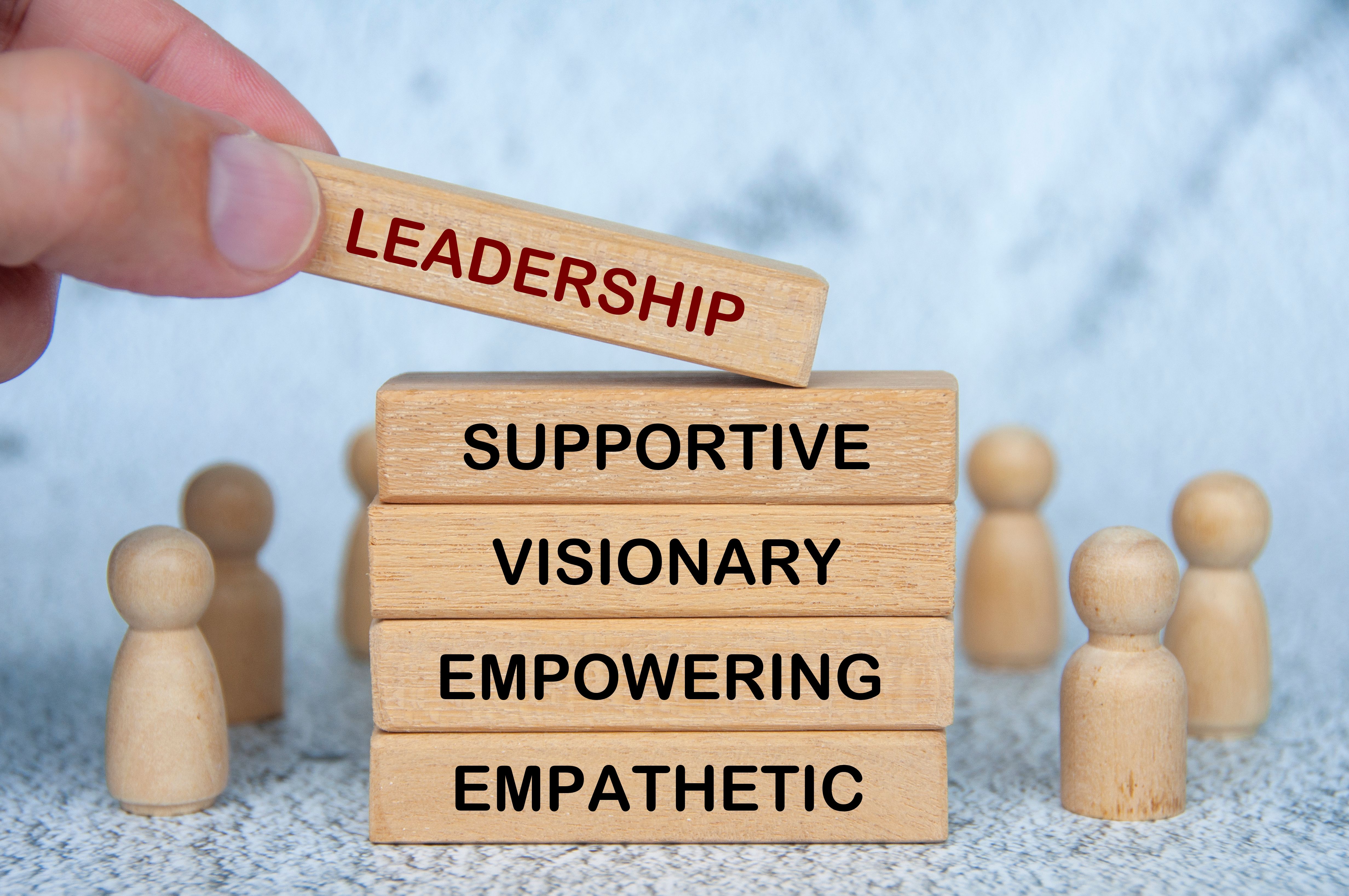
Strategies for Improving Language Hygiene
Improving language hygiene involves continuous practice and self-awareness. Here are some strategies leaders can adopt:
- Regularly reflect on communication habits and seek feedback from peers.
- Engage in active listening to better understand team members' perspectives.
- Participate in communication workshops or training sessions.
Embracing Constructive Criticism
Constructive criticism is an essential aspect of personal and professional growth. Leaders should be open to receiving feedback on their communication style and be willing to adapt. This openness not only enhances their language hygiene but also sets a positive example for the team.
The Long-term Benefits of Language Hygiene
Incorporating language hygiene into your leadership journey can have long-term benefits. It leads to improved team morale, increased productivity, and stronger relationships. Effective communication can be the catalyst for a thriving workplace that consistently meets and exceeds its goals.